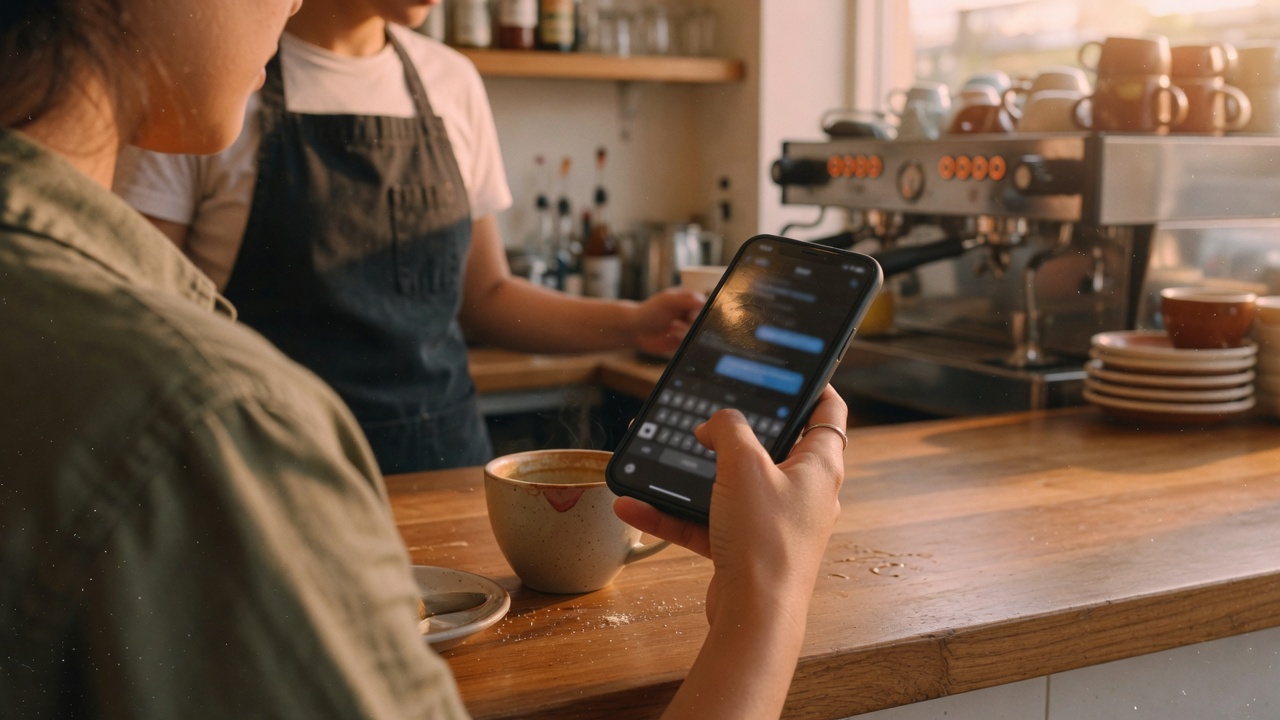


You can write the perfect review request message, send it to the right platform, and still get almost no responses. The reason is usually timing. Most businesses ask for reviews too late, and the conversion drop-off when you miss the window is steep.
Here's how the window works and how to apply it to your specific business type.
The Golden Window: 1 to 3 Hours Post-Service
For most consumer-facing businesses, the highest review conversion rate happens between 1 and 3 hours after the service is complete.
At this point, the experience is fresh. The customer has the emotional afterglow of a completed transaction. They're still in a context where thinking about your business makes sense. They haven't moved on to six other things that will push the memory aside.
Send a review request within this window and more satisfied customers who agreed to receive your messages will follow through. Wait until the next day and fewer will. Wait a week and most of the moment is gone.
The gap compounds. If you're serving 50 customers a week and sending review requests, asking in the golden window versus asking a week later is the difference between a steady weekly trickle and almost nothing. Over a year, that is a different review profile.
How Conversion Drops Over Time
The drop isn't linear. It's steep and fast.
- 0 to 1 hour: Slightly lower than the sweet spot because the customer may still be traveling or transitioning
- 1 to 3 hours: Peak conversion window
- 3 to 6 hours: Still useful, starting to fall
- 6 to 24 hours: Declining
- 24 to 48 hours: Most of the warmth is gone
- 48 hours or later: Diminishing returns
This pattern exists because human memory is associative and emotional. The warm feeling from a great experience doesn't last 48 hours. It competes with every other stimulus in that person's life. By day three, leaving a review for your plumber feels like an optional errand, not a natural follow-up to a good experience.
Industry-Specific Timing
The 1-to-3 hour window is a general guideline. Different business types have different optimal timing based on when customers reach their "settled and satisfied" state.
Restaurants: 2 to 3 hours post-visit. Immediately after the meal, customers are still at the table or in transit. Two hours later, they're home and comfortable. That's when the "that was a great dinner" feeling is strongest.
Home service contractors (plumbers, electricians, HVAC): Immediately at job completion, or within 30 minutes. The moment the technician wraps up and the customer sees the finished work is the emotional peak. A QR code on the invoice or a text sent by the technician from the driveway captures this moment.
Hair salons and beauty services: Right at checkout or within 1 hour. Customers leave the salon feeling good about how they look. That's peak sentiment. An automated text triggered by appointment completion captures it before they get home and return to routine.
Medical and dental practices: 2 to 4 hours post-appointment. Patients need a little distance from the clinical setting. Too immediate can feel intrusive. A few hours later, once they're back in their normal environment, works better.
Auto repair shops: Within 1 hour of vehicle pickup. The relief of getting their car back and the satisfaction of a resolved problem is the moment to strike. Waiting until the next morning, after they've driven to work and the experience is just a memory, costs you significant conversion.
A/B Testing Your Timing
If you're using an automated review request system, you can test timing by splitting your customer list and sending requests at different intervals. Run the test for a minimum of 4 weeks and at least 100 requests per group before drawing conclusions.
The variables worth testing:
- 1 hour vs 3 hours post-service
- Morning delivery vs evening delivery (some businesses find that delivering requests in the evening, even for daytime services, gets higher open rates)
- Same-day vs next-morning (for services that end late in the day)
Don't test too many variables simultaneously. Change one thing at a time so you know what's actually driving the difference.
The Follow-Up Timing Strategy
Not every customer will respond to the first request. A single follow-up, sent 2 to 3 days after the initial request, recovers people who meant to leave a review and forgot.
Rules for follow-ups:
- Send exactly one follow-up, not two or three
- Reference the original request ("We sent you a note the other day about leaving a review...")
- Keep it shorter than the original request
- Do not follow up if the customer has already reviewed you (obvious, but worth stating because automated systems can miss this)
One follow-up is courteous. Two starts to feel like pressure. Three is spam, and it can turn a neutral customer into an actively annoyed one.
The businesses getting the most reviews aren't sending better messages. They're sending the right message at the right time. Nail the timing and everything else becomes easier.
Laudy automates your review request timing so every customer gets asked at the right moment, every time. No more manual follow-ups, no more missed windows. Start your free trial at Laudy.