
Most businesses think about reputation management reactively. Something bad happens — a scathing review, a complaint that goes viral, a sustained attack from a disgruntled former customer — and then they scramble to respond.
The problem with reactive management is that by the time you're responding to a crisis, the damage is already affecting decisions. Customers are reading the negative content before you've had a chance to address it.
Proactive reputation management means building the structure that limits your vulnerability before you need it.
The Review Volume Buffer

This is the single most important protective measure you can take: systematically build your review count to the point where isolated negative reviews have minimal statistical impact.
Here's the math. If you have 20 reviews and receive one 1-star review, your average rating can drop by 0.2–0.3 stars overnight. If you have 200 reviews and receive the same 1-star, your average drops by less than 0.02 stars. The negative review is still visible, but it's statistically insignificant.
The practical target: get to 100+ reviews on Google before a crisis hits. At that volume, you're statistically resilient. At 200+, you're nearly immune to isolated attacks.
This is why review collection should be a continuous, systematic process — not something you think about when your rating dips. The buffer protects you from random bad days, coordinated attacks, and the occasional unreasonable customer.
Continuous Monitoring Setup
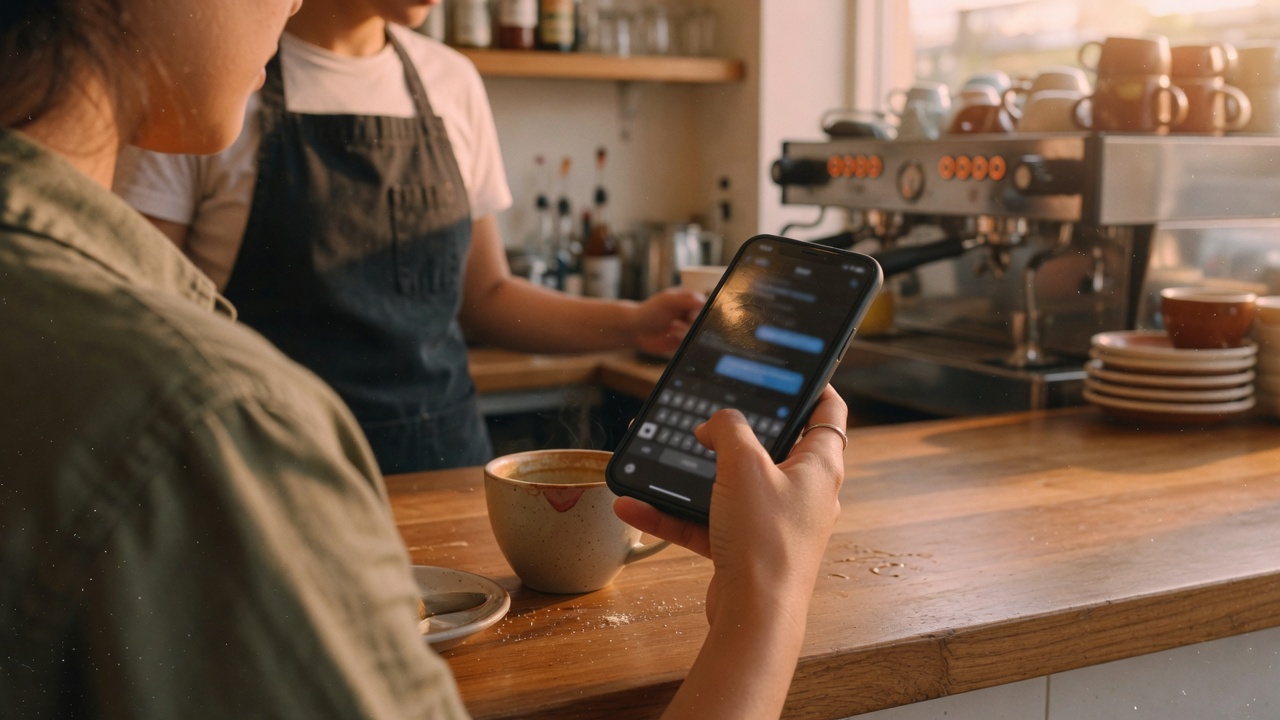
Proactive reputation management requires visibility. You can't respond to something you don't know about.
Your monitoring stack should cover:
Primary platforms: Google, Yelp, Facebook. These get the most visibility and need daily monitoring.
Industry-specific platforms: Healthgrades, Avvo, Houzz, TripAdvisor, G2, Clutch — whichever platforms are relevant to your category. Check these weekly.
Google search for your brand name: Do a fresh Google search for your business name monthly. Look at the first two pages. Are there review aggregator sites, complaint boards, or negative press showing up that you haven't addressed?
Google Alerts: Set up a Google Alert for your business name (exact match in quotes) and your owner name if you're publicly associated with the business. This catches mentions across the web that aren't on review platforms.
Alert routing matters. Real-time alerts for 1–2 star reviews. Daily digests for everything else. The goal is that you never spend more than 12 hours without knowing about a negative review.
Social Listening for Brand Mentions Outside Review Platforms
Reputation lives beyond review sites. Customers post about their experiences on Twitter/X, TikTok, Instagram, Reddit (especially local subreddits), Facebook groups, and neighborhood apps like Nextdoor.
These mentions often don't appear in your GBP or Yelp notifications. You need to watch for them separately.
Free monitoring tools: Google Alerts, TweetDeck (X search), Mention (limited free tier)
What to look for:
- Your business name (with and without common abbreviations)
- Your address or neighborhood
- Your owner's name if you're a known face in the community
When you find a mention — positive or negative — respond where possible. Engagement on social platforms signals that you're present and accountable. A business that responds to a TikTok complaint in the comments usually comes out ahead even with a critical video.
Building Relationships with Regulars
Your most loyal customers are a natural defense layer. They know you, they've had consistently good experiences, and when something goes wrong publicly, they're the people most likely to naturally speak up on your behalf.
You can't ask regulars to post defensive comments in response to attacks — that looks orchestrated and often violates platform guidelines. But you can maintain relationships that make organic advocacy natural:
- Know your regulars by name and acknowledge them
- Ask for their feedback directly and let them know you value it
- Keep a simple VIP list (even just a mental one) of your 20–30 most loyal customers — these are the people you'd call if something significant happened
- Ask this group for reviews periodically, not just once. Their second or third review, months after their first, adds recency and velocity to your profile.
Having a Crisis Response Protocol Ready
Crisis response improvised under pressure produces bad outcomes. Draft your protocol now, when there's nothing wrong.
Your protocol document should include:
Crisis trigger definitions: What constitutes a crisis? (Suggested: 3+ negative reviews in 24 hours, any review with 500+ views in 24 hours, any media inquiry, any review alleging health or safety violations)
Response chain: Who is alerted first? Who drafts the response? Who approves it? Who is the public face of the response?
Pre-approved language: Draft 3–4 response templates for the most likely crisis types. Under pressure, starting from a template is much safer than starting from a blank page.
Platform escalation contacts: Know in advance how to contact Google, Yelp, and other platforms for urgent review disputes. Finding this information during a crisis adds hours.
Recovery actions: What proactive steps do you take after the immediate response? (Review collection push, media outreach, direct customer contact)
A business that handles a crisis smoothly usually comes out with a stronger reputation than one that was never tested. But smooth handling requires preparation. The hour you spend building this protocol today is worth dozens of hours of scrambling when you actually need it.
Laudy keeps you ahead of reputation problems with real-time alerts, review monitoring across platforms, and tools to build the review volume that protects your business. Get started at /signup.