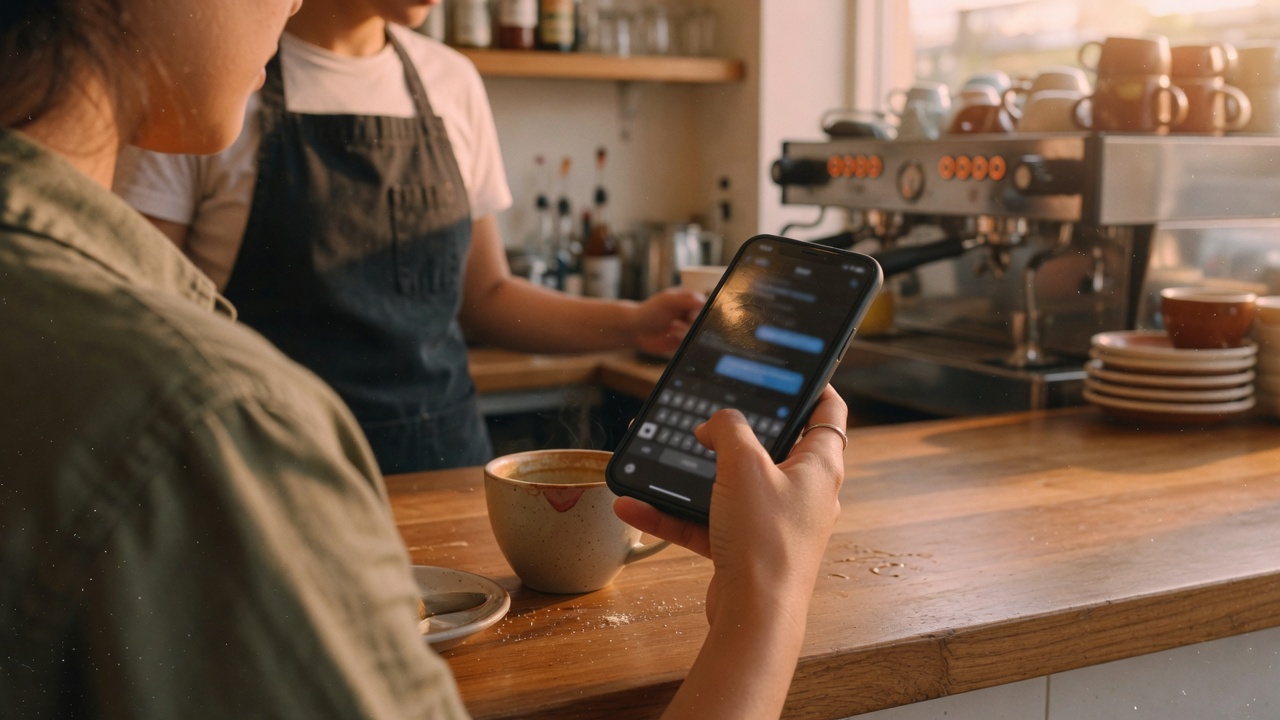

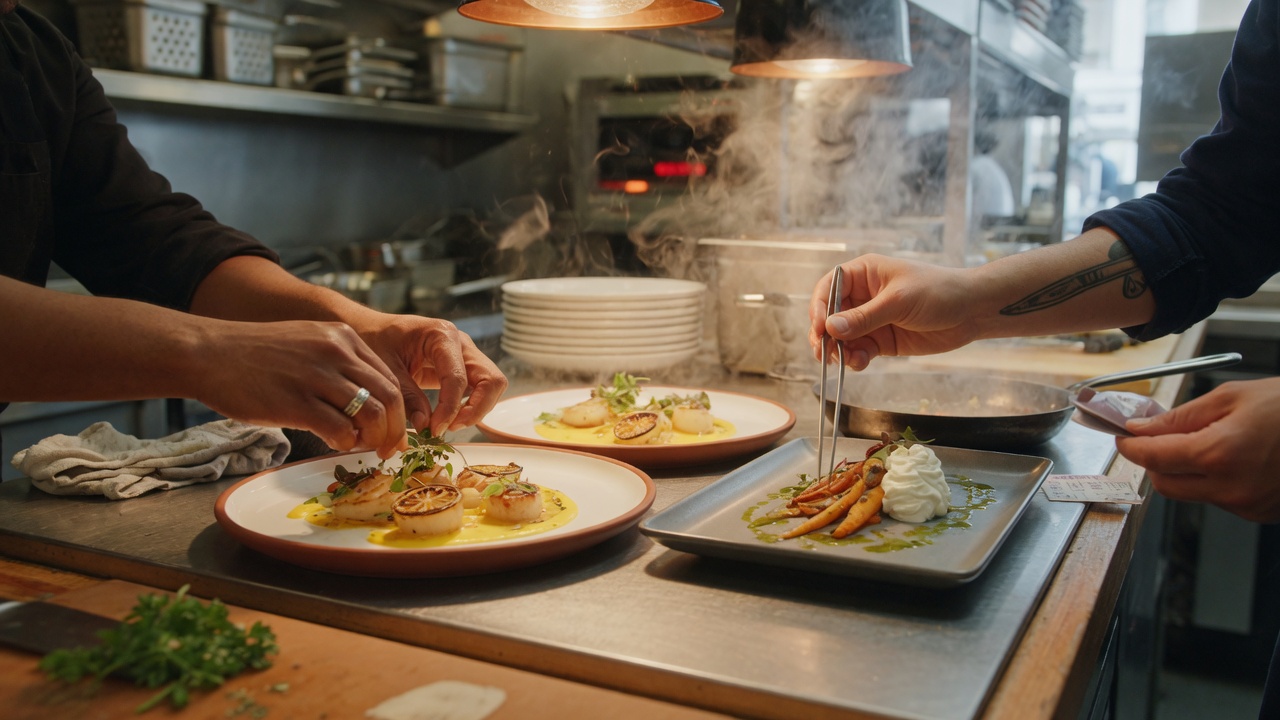
Restaurants face a specific review challenge that most other businesses don't: the customer is likely to leave thrilled with their experience and forget all about reviewing you by morning. The meal ends, they walk out into the evening, they get home and put the kids to bed and check their messages. By 10 PM, writing a Google review for your restaurant competes with everything else in their life.
This is a solvable problem. Here's the restaurant-specific system for getting more reviews while staying within Google's and Yelp's guidelines.
The Restaurant-Specific Challenge
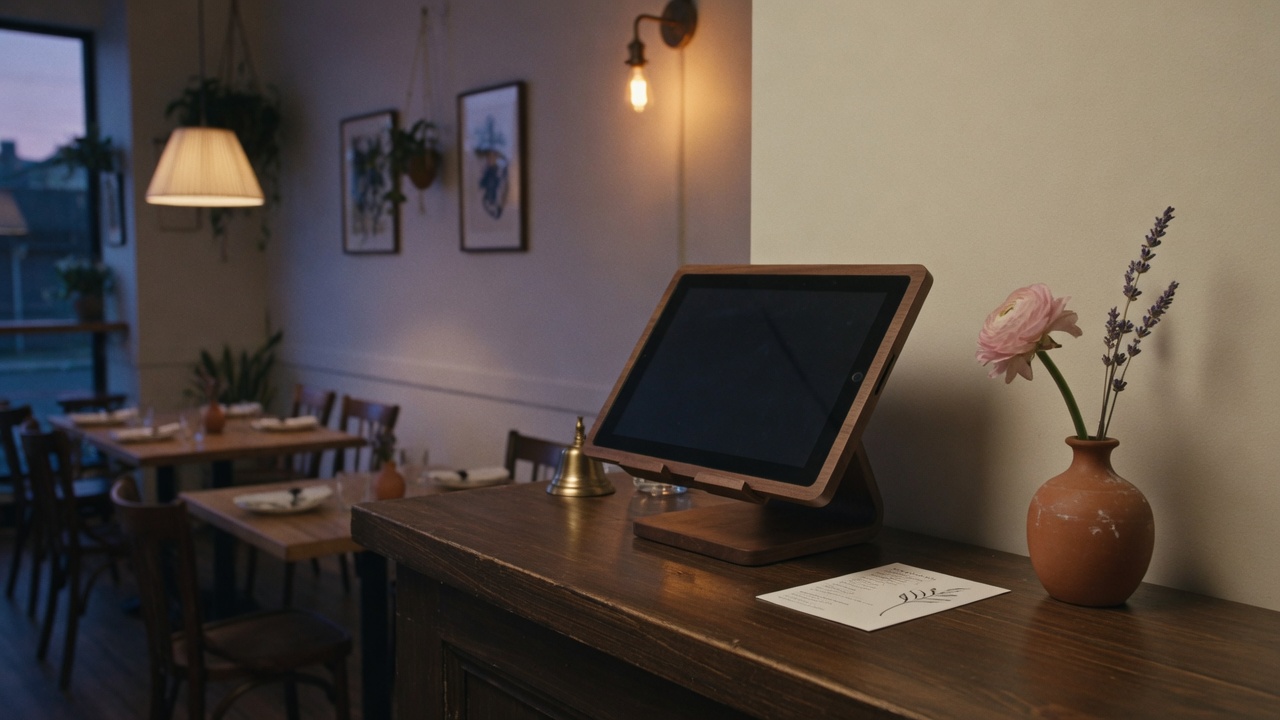
Most consumer service businesses have a natural post-service moment to request a review: the contractor does a final walkthrough, the stylist turns the chair toward the mirror, the auto shop calls when the vehicle is ready. Restaurants don't have that clean trigger.
Diners pay and leave. The check is dropped, the card is run, there's a brief exchange about how everything was, and then they're gone. By the time you could meaningfully ask for a review, the moment has already passed or feels transactional.
The solution is a two-part approach: a subtle in-venue trigger combined with a timely digital follow-up.
Table Tent and Receipt QR Code Strategies
Physical QR codes in the dining room are one of the most underutilized review drivers in the restaurant industry.
Table tent placement: A small card or folded tent on each table with a QR code linking directly to your Google review page (or Yelp, if that's your priority platform). The copy matters. "Loved your meal? Tell Google" or "Scan to share your experience" works better than a generic "Leave us a review." The ask is soft, it's in context (they're at the restaurant, having the experience), and it's optional.
Receipt QR codes: If your POS system allows custom receipt printing, add a QR code and two lines of copy at the bottom of every receipt. This catches diners at the moment of payment, when satisfaction is confirmed by the act of willingly paying. Don't make it a long paragraph. "Enjoyed your visit? Share it: QR code" is enough.
Table number tracking: Some restaurant management systems let you assign the review request to a specific server or table. This isn't essential, but if you're trying to identify which servers are most effective at prompting reviews, table-level tracking helps.
Server Training for Natural Asks at the Emotional Peak
The highest-converting moment in a restaurant experience is what regulars in the industry call the "compliment close": the moment when a customer says something positive to the server and the server responds.
"The salmon was incredible" + server saying "I'm so glad! We'd love if you shared that on Google, it means a lot to us" is a completely natural interaction. No card, no QR code, just a human moment.
Train your serving staff on two things:
- Recognizing the positive comment as a review request opportunity (not all servers see it this way)
- A response that's warm and genuine rather than scripted ("It really means a lot to the kitchen team" vs. "Please leave us a 5-star review")
This doesn't require a long training session. Role-play three or four scenarios at a pre-shift meeting. "Here's what you say when someone compliments the food. Here's the link on your phone if they want to scan it."
Timing the Follow-Up Text: 2 Hours Post-Visit
For customers who provide a phone number (via reservation, loyalty program, or online ordering), an automated text 2 hours after the reservation end time is your highest-converting review request channel.
Two hours hits the sweet spot: diners are home, comfortable, and the meal is still the highlight of their recent evening. They haven't moved on to worrying about tomorrow. The text is a natural continuation of the experience, not an intrusion.
The message should be brief: "Thanks for dining with us tonight, First Name. We hope you enjoyed it. If you have a moment, we'd love a Google review: link. It helps others find us."
One follow-up if no review appears after 3 days is acceptable. More than that becomes pestering.
Note: Google's guidelines prohibit "incentivizing" reviews (offering a discount for leaving a review). Don't include an offer in your review request message. The request should stand on its own.
Handling Food Critic and Yelp Elite Reviews Differently
When a Yelp Elite reviewer or a local food blogger visits, the rules change.
These visitors have audiences. Their reviews carry more social weight than a standard review, and in some cases they carry it off-platform (Instagram, food blogs, local publications). They also have expectations: they're evaluating the full experience at a higher standard than most diners.
Do not ask Yelp Elite visitors for a review in the same way you'd ask a regular customer. The ask is unnecessary (they'll review you if they want to), and some active Yelp Elite members will flag a business for soliciting reviews, which can create Yelp complications.
Instead: make sure the experience is exceptional. Check reservation notes, flag known food writers if you have that information, and let the experience do the work. If you have a relationship with a food blogger who covers your area, the professional approach is an invitation to an experience, not a request for a review.
The Google vs. Yelp Priority Question
For most restaurants, the priority split should be:
- Google first. Google reviews directly influence local search ranking and appear to the widest audience.
- Yelp second, but only organically. Yelp prohibits direct solicitation. Use QR codes that link to Yelp for diners who are already on the app, but don't push Yelp-specific requests via text or email.
- TripAdvisor, if relevant. High tourist traffic or destination dining locations benefit from TripAdvisor presence. Most neighborhood restaurants get minimal lift from it.
Direct your text-based review requests (the 2-hour follow-up) exclusively to Google. Let Yelp reviews come from the in-venue QR code and organic behavior.
A restaurant consistently generating 15+ Google reviews per month will dominate local search in most markets within 6 to 12 months of sustained effort.
Laudy automates restaurant review requests, triggers them at the right time after each reservation, and tracks your progress across Google and Yelp in one dashboard. Start free at Laudy.